


4 festive seasons in Mexico
In France, we tend to have a fairly limited view of the events that mark the year in Mexico. We mostly think of the famous "Día de los Muertos," whereas the country is home to a multitude of celebrations reflecting all the opulence of Mexican history and culture! No fewer than 120 traditional festivals punctuate the year, and the majority are, in fact, directly linked to religion, as it is estimated that 80% of the population identifies as Catholic.
In this article, you will be able to gain a comprehensive view of the most important Mexican holidays while discovering some great anecdotes, especially at the end of the article ;) And if you are planning a vacation across the Atlantic, it's the perfect opportunity to take part in one of these events and create unique and authentic memories. Happy travels and happy reading!
Mexican celebrations throughout the year

Autumn 🍂
- El Día de la Independencia (September 16)
On this day, we celebrate the start of Mexico's War of Independence! At the time, the indigenous peoples were determined to end more than 300 years of Spanish colonization and abolish what was then called "New Spain." It was the priest Miguel Hidalgo who issued a call to Mexicans in 1810, the famous "Viva Mexico," now repeated by the President during his speech on September 16. In Spanish, it is called "El Grito," which means "the cry," symbolizing Mexico's independence. What is less known, however, is that this call from Miguel Hidalgo led to a particularly long war, as the Republic of Mexico was not proclaimed until 1823.
Independence Day is a very important celebration in Mexico, much like our national July 14th. In the streets, you will see the Mexican flag everywhere and the festivities will be in full swing, with fireworks and even historical reenactments. As we mentioned, the President gives a legendary speech and the same bell used by Miguel Hidalgo 200 years ago rings in the city!
- El Día de los Muertos (November 1st and 2nd)
How could we overlook this festival, famous the world over for its fascinating and colorful folklore? In Mexico, there is a millennial-old belief that death is an integral part of the cycle of life. Thus, it is not feared by the population and even gives rise to beautiful tributes to the deceased, whose souls are said to return to earth at this time of year. A blend of Aztec traditions and Catholicism following the Spanish colonization, the Day of the Dead as we know it today is a joyful commemoration, which is also inscribed on UNESCO's Intangible Cultural Heritage list.
The Mexican version of All Saints' Day enters every home. Altars are erected in honor of our deceased loved ones, adorned with offerings, flowers, candles, photos... Outside, the same is done by decorating graves in cemeteries. Then, another aspect of the holiday that we are familiar with in France: Mexicans dress up in sumptuous costumes and makeup to parade in the streets!

Winter ❄️
- El Día de Nuestra Señora de Guadalupe (December 12)
As Christmas approaches, Mexicans gather to celebrate the apparition of the Virgin of Guadalupe to Juan Diego in the 16th century, the latter having been recognized by the Catholic Church as the first Native American Christian. This religious holiday receives great attention in the country, as it is considered the most important one today.
A true symbol of the Mexican people, the Virgin of Guadalupe is commonly known as the "patron saint of Mexico" and was distinguished as "Queen of Mexico" by Pope John Paul II at the beginning of the 21st century. Her aura conveys the strong identity of pre-Hispanic communities and aims to ensure their preservation. How is it celebrated? Mexicans gather and hold masses in her honor, all in a festive atmosphere accompanied by traditional music and dancing.
- Las Posadas de Navidad (December 16 to 24)
Why settle for just one evening? In Mexico, Christmas is celebrated for... 9 days! The reason is religious, as this period symbolizes the length of Mary and Joseph's journey to Bethlehem in search of a home to give birth to the baby Jesus. In the same way, families gather every evening, taking care to set up a nativity scene in their home. Many songs can be heard, delicious meals are served, and the traditional piñata is broken on the evening of December 24.
Our team has actually written a blog post entirely dedicated to Christmas in Mexico, teeming with information about this celebration. We highly encourage you to read it to learn more by clicking here.
- El Día de los Santos Reyes (January 6)
In France, we have the Three Wise Men and the tasting of the famous "galette des rois" (king cake). Be aware that the Mexican tradition is essentially the same, as we also celebrate Melchior, Balthazar, and Gaspar for bringing gifts to the baby Jesus! However, Mexicans do not eat a galette but a "rosca de reyes" (king's crown cake), which also contains a figurine. The king or queen who finds it is then designated to prepare delicious tamales (sweet or savory dumplings) for Candlemas in February. It is also on this day that Mexican children receive their gifts from the Three Wise Men, and not from Santa Claus.
- Veracruz Carnival (February)
Less renowned than the Rio Carnival and yet just as impressive, the Veracruz Carnival is a true institution embodying the entire richness of Mexico, from its pre-Columbian origins to its contemporary history. This celebration is relatively modern, as it was instituted during the reign of Emperor Maximilian I, to be
On this occasion, Mexicans engage in various festive activities such as the election of the Carnival Queen, the symbolic incineration of "bad moods," or float parades. The carnival enjoys high visibility and attracts many tourists every year.

Spring 🌼
- Semana Santa (April)
Here is another celebration awaited all year long by Mexicans, less for its religious aura than for the opportunity to go on vacation after 12 months of hard work! Coinciding with our Easter holidays, "Semana Santa" (Holy Week) is an institution that brings the whole country to a standstill, allowing inhabitants to visit their loved ones and, for the more devout, to engage in a week of religious pilgrimage.
An event broadcast on television, the theatrical representation of the Stations of the Cross gathers an impressive crowd of extras, led by actors revisiting the final days of Jesus. The actor playing the latter must be well-trained, as he carries a cross weighing 90kg over a distance of several kilometers. He will have well earned his Oscar ;)
- El Cinco de Mayo (May 5)
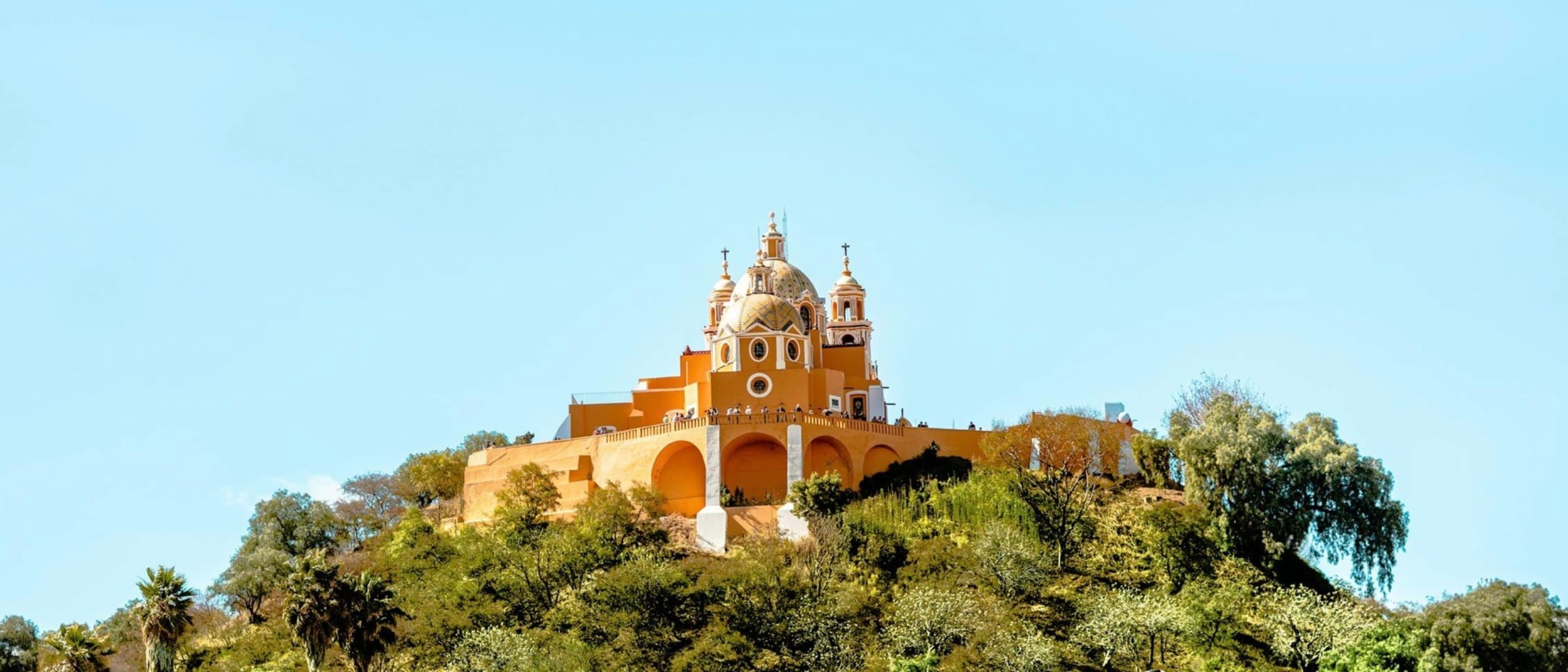
This event is less important than Mexico's Independence Day in that it is mainly celebrated in the state of Puebla, where a battle between France and Mexico took place in 1862. The victory of the Mexican soldiers marked history, as they were much fewer in number than the French soldiers who wanted to conquer the country. May 5th has therefore become a public holiday in Puebla, Mexico's 4th largest city, and actors reenact the battle on the occasion, accompanied by dancers and mariachis.
An anecdote about "Cinco de Mayo"? This holiday is widely celebrated in the United States by the Mexican community, who take the opportunity to remember their roots and culture. The spring season is actually more conducive to festivities than Mexico's Independence Day (September 16), which takes place right at the start of the school year.

Summer 🌵
- Guelaguetza (mid-July)
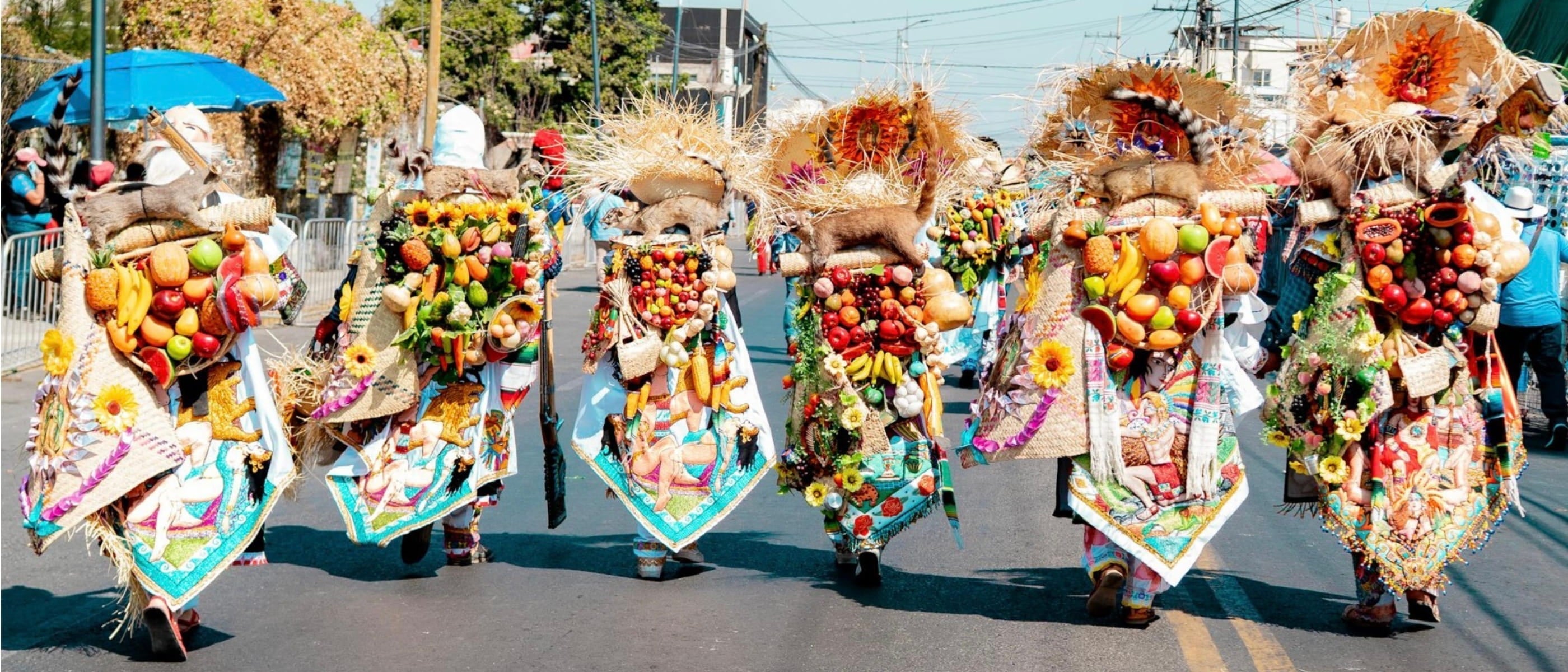
Unlike other seasons, summer is much quieter in terms of commemorations! However, we could not overlook the Guelaguetza, a festival celebrated in the state of Oaxaca that brings together all its indigenous communities to highlight their riches. "Guelaguetza" means "offering" or "exchange" in the Zapotec language (still spoken today), and this name captures the very essence of the event. Indeed, it promotes support between the cultures of the south, even though its origin remains somewhat mysterious.
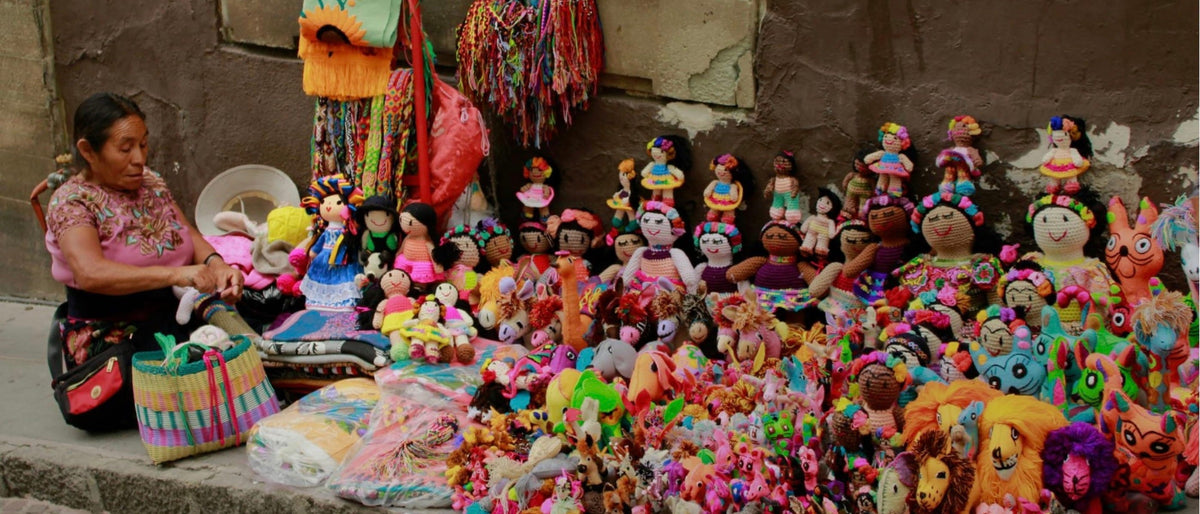
The various peoples of the state of Oaxaca come together, and each shares its music, dances, traditions, clothing, gastronomy... The festival is an explosion of color and talent, where wonderful local crafts are represented! In this joyful and charitable atmosphere, regional products are readily offered to spectators so that ancestral skills are never lost.
Celebrating Mexico in France: at the heart of the Barcelonnette festivals
Do you dream of taking part in these celebrations without leaving France? Know that it is possible, since every summer, Latin-Mexican festivals are held in the town of Barcelonnette, located in the Southern Alps. Atypical, isn't it? ;) The reason for the event is as fascinating as it is original. We'll explain!
In the 19th century, silk merchants from the Ubaye Valley decided to go to the United States to launch their commercial activities across the Atlantic, eventually settling in Mexico City, a capital just liberated from the Spanish. The first fabric store was established on Mexican territory, and success followed. The news spread to France, and in turn, thousands of inhabitants of the valley emigrated to Mexico in the hope of making their fortune (we are talking about around 6,000 expatriates over 150 years).
Called the "Barcelonnettes," this network of merchants brought impressive structures to life, similar to the major Parisian department stores (like El Palacio de Hierro, which still exists in the capital), as well as significant textile factories. While these migratory movements saw significant growth over the previous two centuries, the French were determined to return home once their American dream was realized. They had grandiose houses built in the valley, wrongly called "Mexican villas" as they simply adopted the codes of the great bourgeois mansions of the time. This phenomenon slowed down during the interwar period following the rise of authoritarianism and the nationalization of businesses in Mexico, before ending completely in the mid-20th century.
Today, we celebrate the alliance of yesteryear between the two countries during these Latin-Mexican festivals, set to the rhythm of mariachis and salsa classes! If you are passing through the region, don't forget to visit the Vallée Museum, which traces the incredible history of the "Barcelonnettes."
We hope this overview of Mexico's famous holidays has pleased you and we invite you to subscribe to our newsletter to be informed of future articles online!