

Article: 3 Mexican crafts to discover
3 Mexican crafts to discover
Welcome back to the blog, #mapacheaddicts! For this first article of 2022, we wanted to get back to the roots of our entrepreneurial adventure by immersing ourselves in the heart of our inspiration: Mexican craftsmanship.
Indeed, as Mapache grows, we make it a point of honor to never lose sight of our mission, which is to preserve local and ancestral craftsmanship. Better yet, we have made the choice at the start of this year (following your many pieces of feedback) to be more transparent regarding the making of our creations… A trip to Mexico is actually planned for this coming May to satisfy your well-placed curiosity ;)
But let’s get back to the point! Today's article celebrates everything that this sunny country cultivates that is most beautiful, precious, and colorful. Always in search of creations made by hand with love, we have selected three favorite crafts, to be discovered with wonder from your sofa or to explore "for real" if you are lucky enough to fly off to Mexico in the coming months…

Tenango embroidery
The first word that spontaneously comes to mind when we mention Mexico is this: color. In looking into the country's culture, one quickly realizes that Mexican crafts play a major role in building this representation. Indeed, the shades used are often flamboyant, and artisans do not hesitate to combine them for a unique and warm result.
Tenango embroidery is, in fact, an excellent example of this love for color. Illustrating scenes of daily life as well as the fauna and flora of the Tenango de Doria region, they stand out thanks to a medley of vivid shades and designs carefully embroidered by hand.
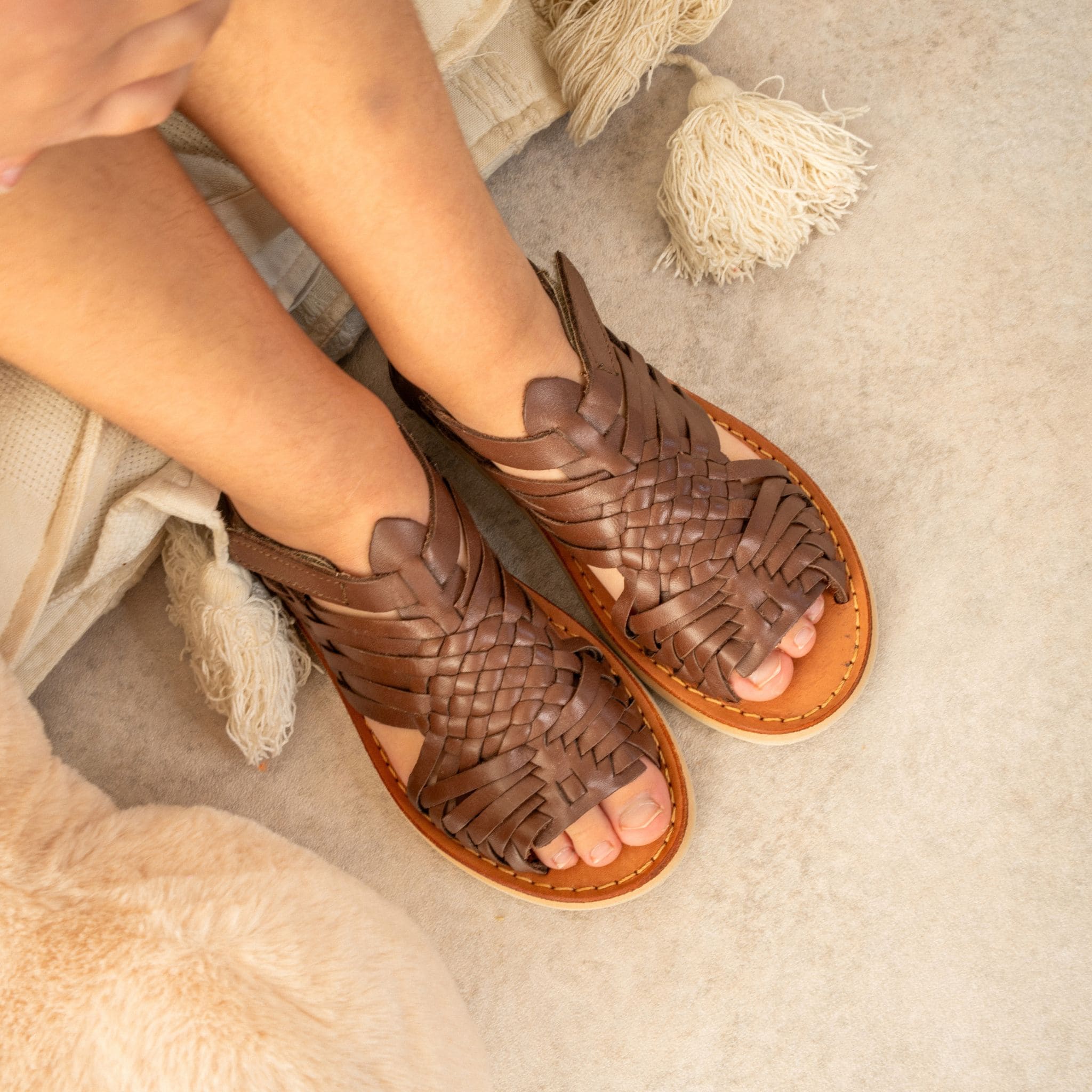
This ancestral technique, which we find today on tablecloths, blankets, or even wall hangings, is still practiced by more than 1,200 artisans in Mexico. Highlighted in the 60s during the economic crisis, it draws its origins from the indigenous Otomi people, and women pass it on from generation to generation (this is also the case for huarache craftsmanship, as our shoes are woven exclusively by women).
The making of these embroideries is long and meticulous. Twenty-five days are necessary on average for the simplest pieces, but this can take up to several months or even years for more complex creations. To make them, several steps follow one another: the artisans begin by cutting a cotton fabric and then draw on it with a pencil. Using these sketches as guides, they then embroider them with their colored threads using stitching techniques. To finish, they wash the fabric to erase the pencil marks and iron it. Magical!

Oaxaca textiles
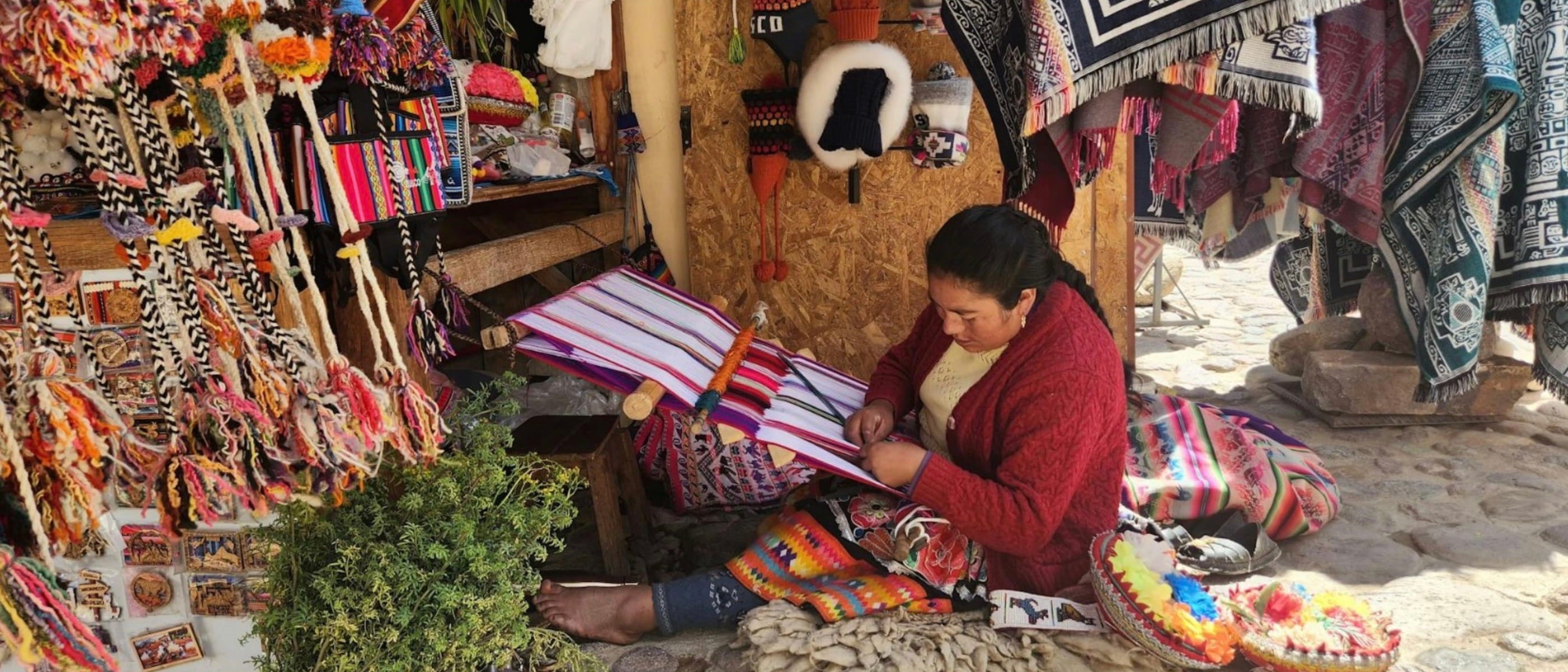
If you are passing through Mexico and are passionate about textile work, treat yourself to a stop in Oaxaca, which is overflowing with artisanal wonders. This region, located in the south of the country, is unmissable for its thousand and one areas of expertise linked to the presence of numerous indigenous peoples on its lands, the latter having developed incredible weaving and embroidery techniques.
Here, every group has its own way of creating, and the fabrics are not just beautiful: they are primarily considered a means to communicate their history, their beliefs, and their myths. The embroideries are handmade within the communities with great finesse, using looms that women generally wear as a belt, around their waist.
These textiles are distinguished by their geometric patterns, symbols of local cultures, and the materials used (wool, cotton, or silk) are colored through natural dyeing techniques. Once woven, they are used to make clothing, accessories, or even decorations.
And we almost forgot: during your visit to Oaxaca, don’t forget to pop into the textile museum to learn more about the subject ;)

The Saltillo Sarape
Our last favorite craft is called the sarape (or serape)! It is nothing less than the symbol of Mexican independence, and has been since the 19th century. One can identify it very easily thanks to its multicolored stripes, and while it was originally worn as clothing, it is now used essentially as a blanket when temperatures drop (in other words, a sarape would be very useful to you right now).
Before being woven, the fibers of this artisanal piece are dyed by hand. Each one is a unique example, the fruit of ancestral know-how. The sarape is initially made of wool, but cotton is also widely used for added softness.
Originating from the city of Saltillo, this craft celebrates the authentic character of Mexican creation, which family workshops strive to keep alive despite the phenomenon of industrialization. We invite you to invest in one of these beautiful blankets that can be found very easily in Mexico!
If you enjoyed this article and are a fan of our world, don't hesitate to follow our news on Instagram!